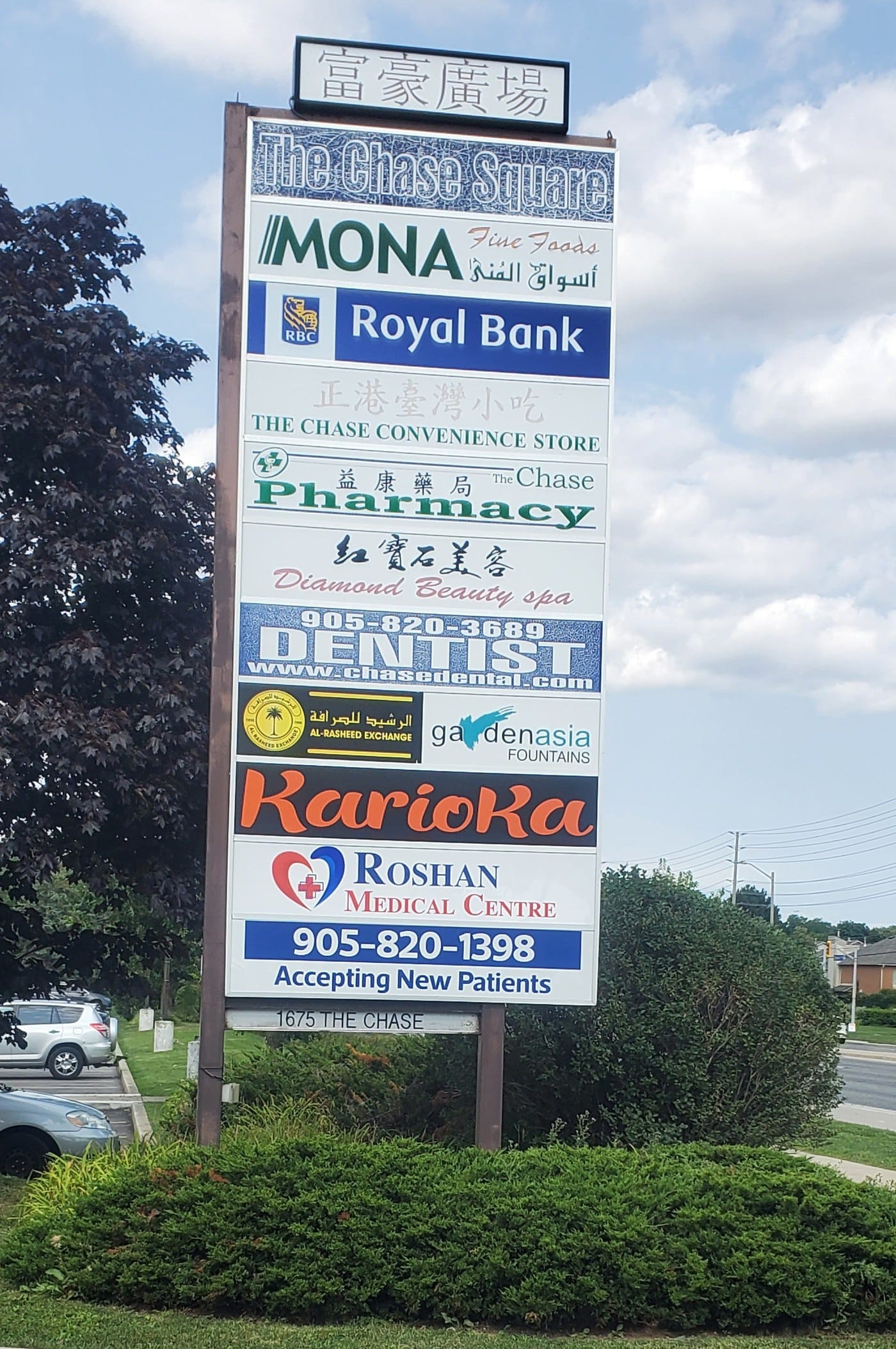
Long before the field got an official academic title, ordinary people were doing urban humanities on their daily commute. You do it whenever a changing neighborhood feels different before you can even explain why—a old sign taken down, a new script going up in a window, a shift in the local soundscape. That gut reaction isn't just observation; it's a form of reading. Urban humanities takes that quiet, everyday literacy seriously.
What it actually is
Strip away the academic name and it’s simple: urban humanities is the practice of reading cities the way you’d read a book, a poem, or a piece of music — closely, patiently, and with the assumption that meaning is embedded in the details. A storefront sign in three languages isn’t just decoration; it’s a record of who came, when, and what they needed to say to be understood. A worn doorstep isn’t just wear; it’s evidence of thousands of ordinary footsteps that add up to a history nobody wrote down.
The field borrows from literary studies, anthropology, linguistics, and design, but it doesn’t require any of that training to practice. It requires attention.
Why this matters right now
Three shifts are happening at once, and cities are where they collide.
Migration is rewriting the urban script. More people are living in countries they weren’t born in than at almost any point in human history. That means more cities are becoming multilingual, multi-script, multi-textured — and most residents have no framework for making sense of that change beyond gut reaction, which tends toward either curiosity or suspicion depending on how it’s framed. Urban humanities offers a third option: read the change as a historical document instead of a threat. A Greek bakery next to a Vietnamese pho shop isn’t a clash of cultures; it’s a paragraph in a longer story about a neighborhood’s changing demographics.
Digital life is thinning out physical attention. The more time people spend looking at screens, the less practiced they are at reading a physical environment — its sounds, its smells, its objects, its rhythms. That’s not a minor loss. It’s an atrophy of a whole sensory and interpretive skill set that used to be automatic. Urban humanities is a deliberate resistance to that atrophy — a recalibration of senses that have gone dull from disuse.
Aging populations are testing what cities are actually for. A bench is a piece of policy. A crosswalk timer isn’t just a countdown; it’s a statement about who is allowed to cross the street in a reasonable amount of time. As more people live longer in urban environments, questions about who a city was actually designed for stop being abstract and become urgent, daily, and personal.
Urban humanities is the hinge connecting all three. It’s not nostalgia for a slower world. It’s a toolkit for reading the world we’re actually living in now.
Why it’s not just academic
Here’s the part that matters most for anyone encountering this for the first time: you don’t need a degree to do this work. You need a walk.
Go outside. Pick one block. Read the signage — not just what it says, but what language it’s in, and why. Find one object that seems out of place: a single shoe hanging on a wire, a “For Rent” sign dated years ago, a painted-over mural. Ask it two questions: What was here before? What does this object want me to know? Listen for the sounds that don’t belong to any single group — a call to prayer layered over traffic, three languages overlapping at a bus stop.
None of this requires expertise. It requires slowing down enough to notice that the city was already trying to tell you something.
That’s the whole practice. Everything else — the vocabulary, the frameworks, the deeper theory — is just scaffolding to help you notice more, and notice it more precisely.
A 10-Minute Urban Humanities Practice
Walk one block without looking at your phone.
Count how many languages you see on signs.
Listen for three distinct sounds you wouldn’t hear in a suburb.
Pick one detail that makes you curious — and sit with the question instead of answering it right away.
An invitation, not a lecture
If any of this resonates, you’re not encountering a new discipline so much as being handed language for something you already do. The next time you walk down a street with a sign in a language you don’t read, a smell you can’t place, or an object that seems out of time — pause. That pause is the beginning of urban humanities. Everything else is just practice.